

Dealing with a greasy spill can be frustrating, especially when it seeps deep into carpet fibers. If you’re searching for How To Get Cooking Oil Stains Out Of Carpet, you’ve come to the right place. In this practical guide from Bloom Nestify, featured under the Rug Care & Cleaning category, we’ll show you step-by-step methods to break down stubborn oil stains, lift residue effectively, and keep your carpet looking fresh and spotless.
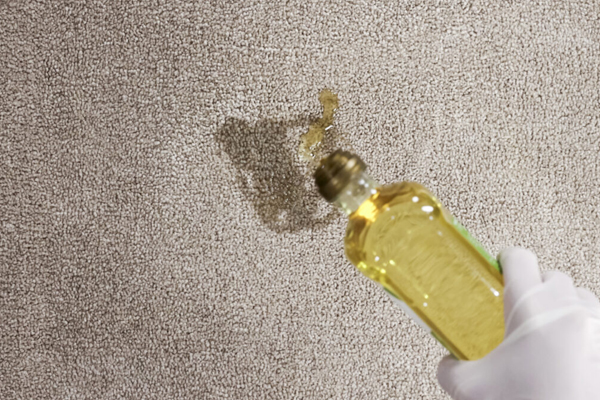
Why Cooking Oil Stains Are So Difficult to Remove
Cooking oil might be a kitchen essential, but when it ends up on your carpet, it quickly becomes a stubborn problem. Unlike water-based stains, oil doesn’t evaporate—it clings to carpet fibers and attracts dirt, creating a dark, sticky patch over time.
Whether it’s vegetable oil, olive oil, or grease from cooking, the key to removing it is breaking down the oil without spreading it further. With the right techniques, you can restore your carpet and prevent long-term damage.
Step 1: Act Fast and Blot—Don’t Rub
Speed matters when dealing with oil stains. The longer the oil sits, the deeper it penetrates.
What to do immediately:
- Use paper towels or a clean cloth
- Gently blot the stain to absorb as much oil as possible
- Repeat with fresh towels until no more oil transfers
Avoid rubbing, as it pushes oil deeper into the fibers and spreads the stain.
Step 2: Absorb Oil with Powder
After blotting, use an absorbent powder to pull out remaining oil.
Best options:
- Baking soda
- Cornstarch
- Baby powder
How to use:
- Sprinkle generously over the stain
- Let it sit for 15–30 minutes (or longer for deep stains)
- Vacuum thoroughly
This step is crucial for lifting oil before applying liquid cleaners.
Can I Bleach My White Rug? Safe Alternatives for Brightening & Stain Removal
Dog Urine on Your Rug? The Step-by-Step Rescue Guide for Wool & Cowhide
Step 3: Apply a Degreasing Cleaning Solution
Now it’s time to break down the remaining grease.
DIY solution:
- 1 cup warm water
- 1–2 teaspoons dish soap (designed to cut grease)
Instructions:
- Dip a clean cloth into the solution
- Blot the stained area gently
- Work from the outside inward
Dish soap is highly effective because it’s specifically formulated to dissolve oils.
Step 4: Use Vinegar or Rubbing Alcohol for Stubborn Residue
If the stain persists, you may need a stronger solution.
Options:
- White vinegar (mixed with water)
- Rubbing alcohol (use sparingly)
How to apply:
- Dab lightly onto the stain
- Blot with a clean cloth
- Avoid soaking the carpet
These solutions help dissolve any lingering grease particles.
Ink & Marker Magic: How to Lift Pen Stains from Your Carpet
Red Wine on the Rug? Don’t Panic, Follow These Steps for Wool & Synthetics
Step 5: Rinse and Dry Thoroughly
Removing cleaning residue is just as important as removing the stain.
Rinsing:
- Use a damp cloth with clean water
- Blot to remove soap and vinegar residue
Drying:
- Press with a dry towel
- Use a fan or open windows
- Keep foot traffic off the area
Proper drying prevents mold and keeps your carpet fresh.
How to Remove Old or Set-In Oil Stains
Older stains require a bit more effort.
Steps:
- Repeat the powder absorption process
- Apply a stronger degreasing solution
- Use a soft brush to gently agitate fibers
- Blot and rinse thoroughly
You may need to repeat the process several times for complete removal.
How Do You Get Eyeshadow Out Of Carpet?
Grease & Oil Stain Removal: From Kitchen Splatters to Beauty Products
Common Mistakes to Avoid
Avoid these common errors:
- Rubbing instead of blotting
- Skipping the powder absorption step
- Using too much water
- Ignoring the stain until it sets
These mistakes can make the stain harder to remove.
Pro Tips for Long-Term Carpet Care
Keep your carpet in top shape with these tips:
- Clean spills immediately
- Vacuum regularly to prevent buildup
- Use rugs or mats in high-risk areas like kitchens
- Schedule deep cleaning periodically
Prevention is always easier than stain removal.
Final Thoughts: Say Goodbye to Greasy Stains
Cooking oil stains may seem intimidating, but with the right approach, they’re completely manageable. The key is to act quickly, absorb as much oil as possible, and use effective degreasing solutions.
By following these steps—from blotting and powder absorption to deep cleaning and proper drying—you can restore your carpet and keep it looking fresh.
Next time oil spills, you’ll be ready to handle it like a pro—no stress, no permanent stains.
